Varanasi is one of the oldest living cities in the world, and it can feel like it on your first afternoon: crowded lanes, cows, bells, smoke and river. Give it a morning, though, and it opens up.
This is the guide we send our own travellers before they arrive: what to do, in what order, and where to eat in between.
1. What Is the Best Way to See the Ghats?
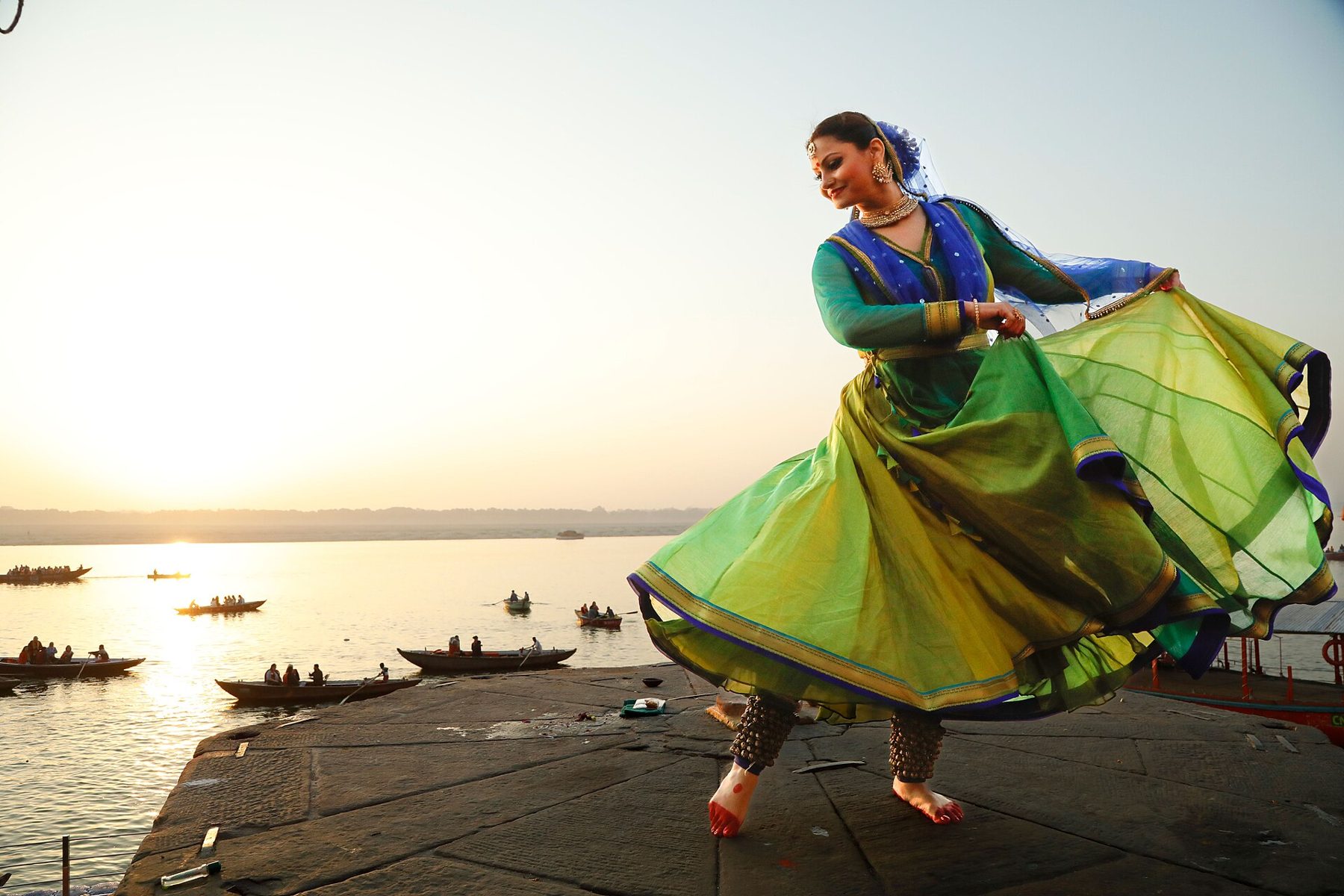
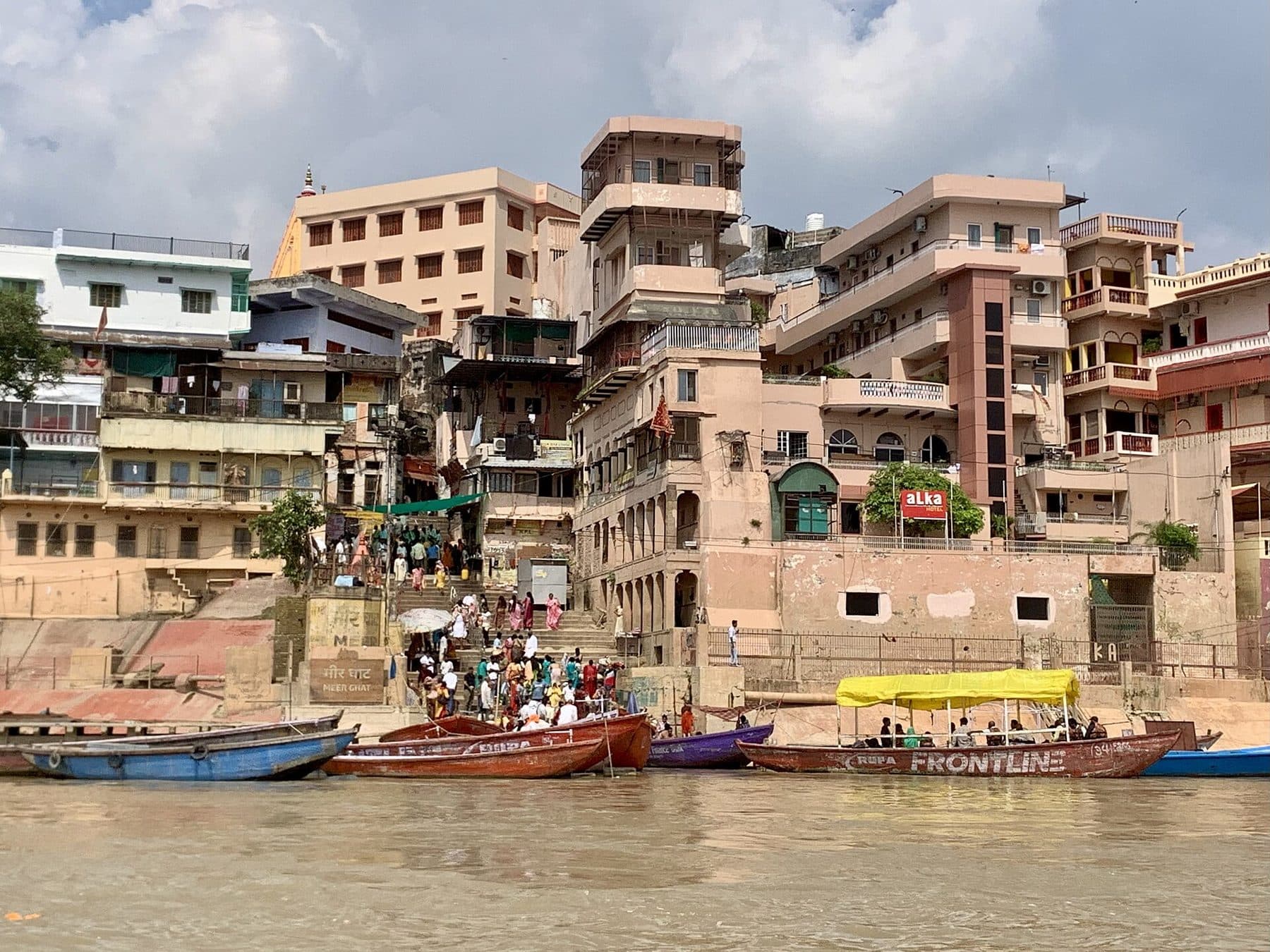
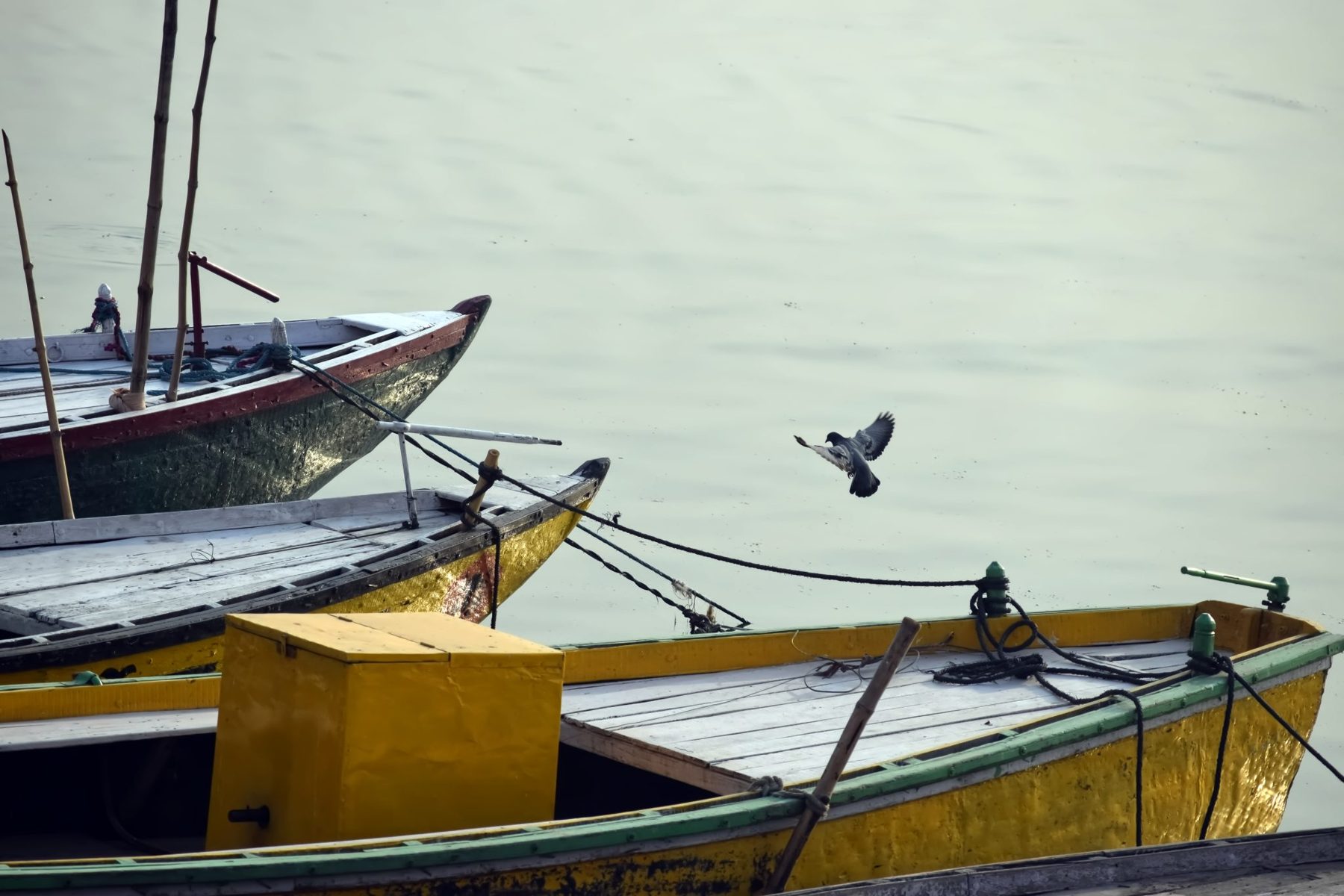
From the water. Book a rowing boat (or a quiet electric boat) at first light, starting at Assi Ghat and drifting north past Tulsi, Harishchandra, Dashashwamedh and Manikarnika. You'll see bathers, yoga, laundry, wrestlers and pilgrims, the whole day of the city compressed into an hour.
Walk the ghats afterwards. From Assi to Dashashwamedh is about 3 km of continuous steps, each ghat with its own temple and story.
Ghats worth stopping at
- Assi Ghat: Subah-e-Banaras morning aarti and music
- Darbhanga and Munshi Ghats: the grand palace facades
- Dashashwamedh: the main evening aarti
- Manikarnika: the cremation ghat (no photos, please)
2. Where Should You Watch the Ganga Aarti?
The main aarti at Dashashwamedh Ghat starts around sunset (earlier in winter). Seven priests perform it in unison with brass lamps, conches and incense. It's spectacular and very crowded.
The best seat is a boat moored in front of the ghat: arrive 30–40 minutes early. If you'd rather sit on the steps, the platforms of the neighbouring Rajendra Prasad Ghat are less packed.
3. How Do You Visit Kashi Vishwanath?
Kashi Vishwanath is one of the twelve Jyotirlingas and the spiritual heart of the city. The new corridor links it directly to the river at Lalita and Manikarnika ghats.
Go early in the morning or late at night for shorter queues. Phones, bags and leather items go in the lockers at the gate. Sugam darshan and aarti tickets can be booked on the temple trust's official website.
Also nearby
- Annapurna temple, next to Vishwanath
- Kaal Bhairav, the city's guardian deity
- Sankat Mochan Hanuman temple, near BHU
- Durga Kund, the red 18th-century temple
4. Is Sarnath Worth Half a Day?
Yes. Sarnath, 10 km north, is where the Buddha gave his first sermon. The 5th-century Dhamek Stupa still stands in the deer park, and the Archaeological Museum holds the original Ashokan lion capital: the emblem on every Indian rupee note.
Go in the morning, when the monks from the Thai, Tibetan and Japanese temples are at prayer. The museum is closed on Fridays.
5. Where Should You Eat in Varanasi?
Varanasi is a breakfast city. Start with kachori–sabzi and hot jalebi from one of the old shops around Godowlia and Vishwanath Gali. Evenings are for chaat, especially tamatar chaat, a spiced, tangy tomato mash that's unique to the city.
Finish with lassi in a kulhad topped with malai, and, if you're here between November and February, malaiyyo: a saffron milk foam that only exists on winter mornings.
What to order
- Kachori–sabzi and jalebi (breakfast)
- Tamatar chaat and palak patta chaat (evening)
- Lassi with malai, in a kulhad
- Malaiyyo (winter mornings only)
- Banarasi paan, sweet or plain
Food tips
- Eat where it's busy and cooked to order
- Carry small change: most stalls are cash or UPI only
- Varanasi's old city is largely vegetarian