India is easier to travel than its reputation suggests, especially if the first 24 hours are planned. Here is the checklist we send every first-time visitor.
1. How Do You Get an Indian e-Visa?
Most nationalities can apply online for an e-Tourist Visa on the Government of India's official portal. Apply well before you fly, upload a passport-style photo and your passport's bio page, and pay the fee online. Print or save the approval (the ETA) to show at immigration.
Use only the official .gov.in site; many look-alike websites charge extra fees.
2. What About Money, Cards and UPI?
Visa and Mastercard work in hotels, restaurants and larger shops. Carry some cash in rupees for taxis, temples, markets and small towns. ATMs are common in cities. Some services now let foreign visitors use UPI, India's QR-code payment system, through a prepaid wallet. Ask at the airport.
3. How Do You Get a Local SIM?
Airtel, Jio and Vi have counters at major airports. You'll need your passport, visa and a passport photo, and activation can take a few hours. eSIMs are increasingly available. Note that prepaid SIMs from elsewhere in India don't work in Jammu & Kashmir.
4. What Should You Know About Temple Etiquette?
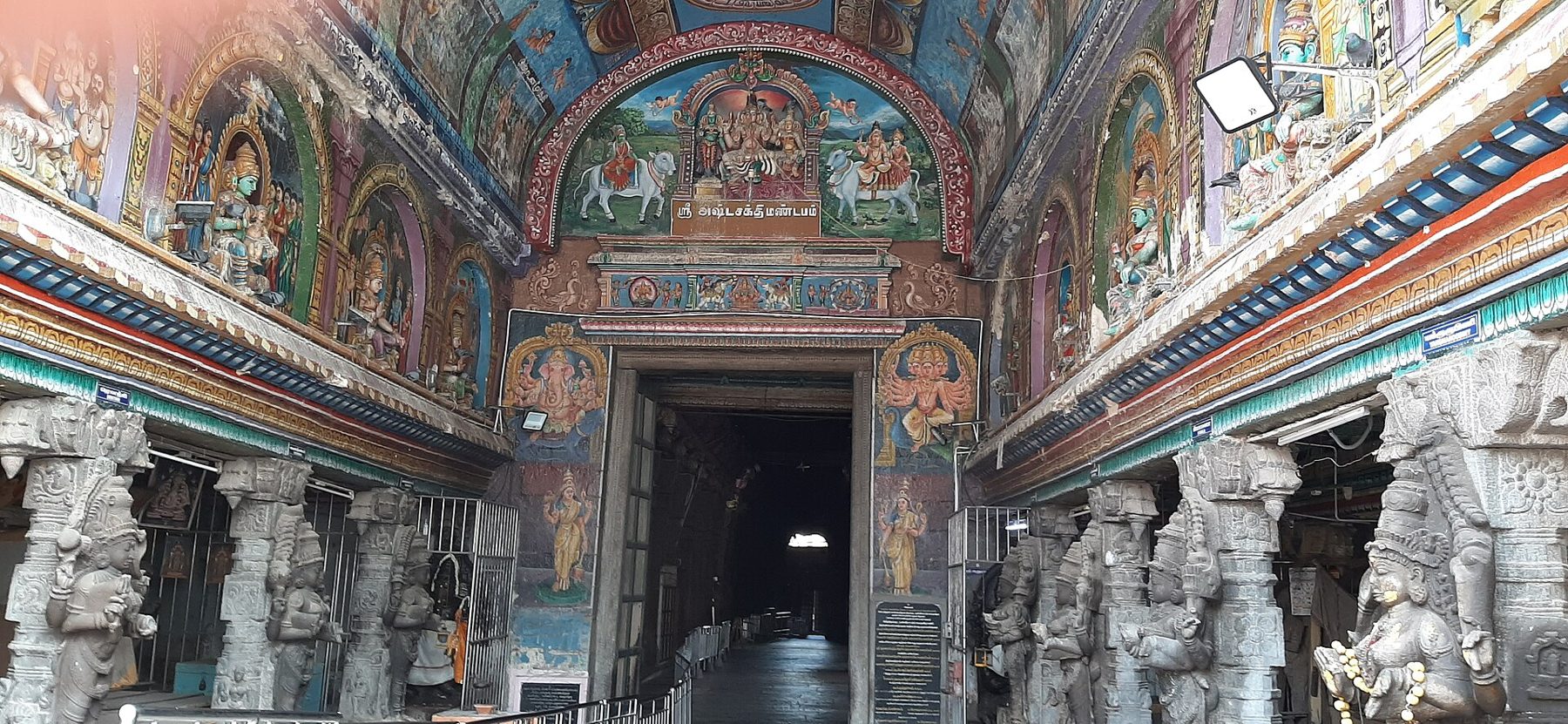
Remove your shoes at the entrance (there's usually a shoe counter). Cover your shoulders and knees, and cover your head in gurudwaras and some mosques. Walk clockwise around shrines, ask before photographing people, and don't photograph inside sanctums.
Small things that matter
- Use your right hand to give and receive
- Remove shoes before entering homes
- Public displays of affection are frowned upon in small towns
- A smile and 'namaste' go a long way
5. How Do You Stay Healthy?
Drink sealed bottled or filtered water, eat at busy places that cook to order, and go easy on raw salads for the first few days. Carry oral rehydration salts, sunscreen and any prescription medicines. Check your doctor's advice on vaccinations before you travel.